
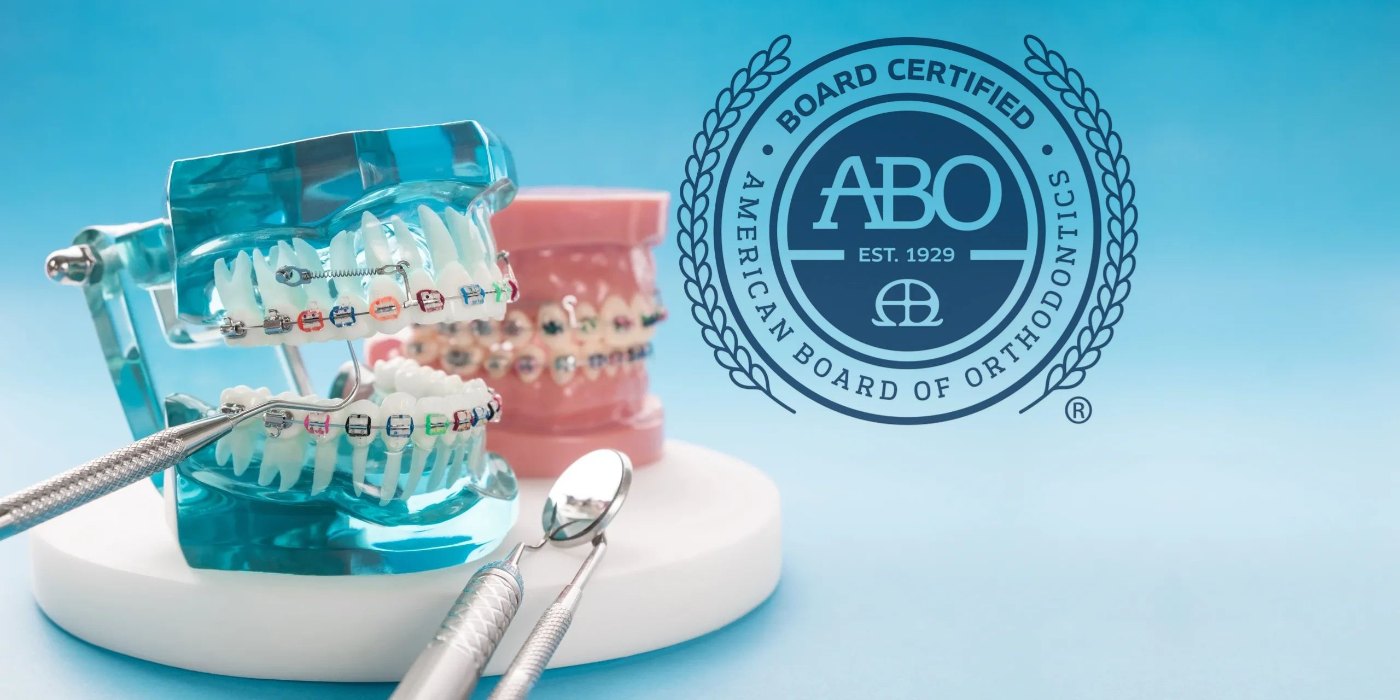
If you are weighing braces, clear aligners, or an expander for yourself or your child in Rockwall, this guide lays out what each appliance does, who it fits, and what to expect on timing and cost. Dr. Ehab Bar is a board-certified orthodontist at Bar Orthodontics on Ridge Road, and the recommendations below reflect how we actually plan treatment: a digital scan and 3D imaging first, then the simplest appliance that solves the problem.
What Are Orthodontic Treatments?
Orthodontic treatments are specialized dental procedures aimed at correcting misaligned teeth and jaws. These treatments not only improve the appearance of your smile but also enhance oral health by making it easier to clean your teeth and reducing the risk of decay and gum disease.
Common Types of Orthodontic Treatments
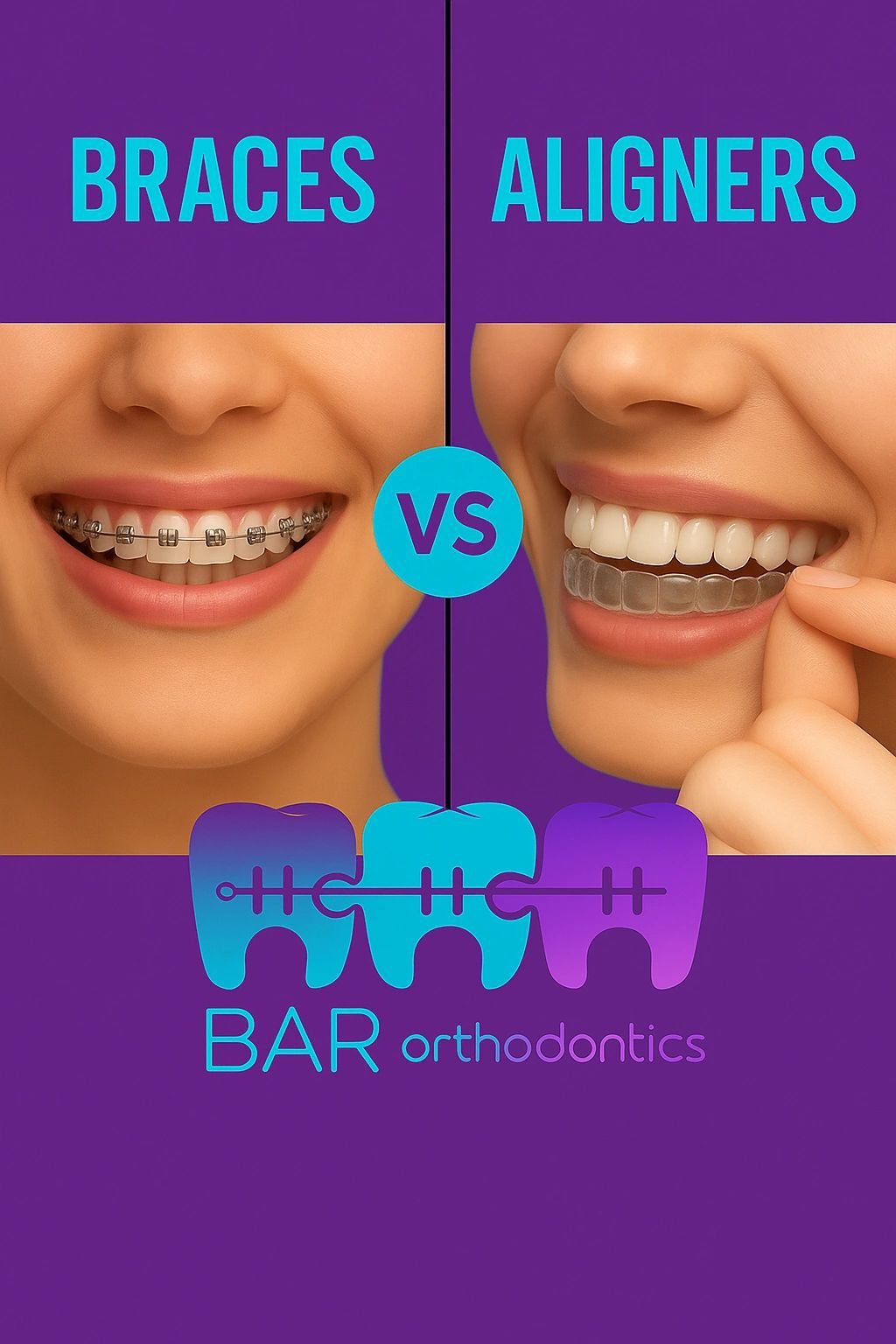
- Traditional Braces: Metal braces are the most common and effective for complex alignment issues.
- Clear Aligners: Invisible and removable options like Invisalign have gained popularity for their convenience.
- Lingual Braces: These are placed on the back of your teeth, making them less visible.
- Retainers: Often used post-treatment to maintain alignment.
- Palatal Expanders: Suitable for children, these devices widen the upper jaw to improve spacing.
When Should You Consider Orthodontic Treatment?
The timing of orthodontic treatment can vary based on individual needs. Here are some general guidelines:
- Children: The American Association of Orthodontists recommends the first orthodontic evaluation by age 7. Early intervention can guide proper jaw growth and prevent severe issues later.
- Teens: This is the most common age for braces or aligners, as most permanent teeth have erupted.
- Adults: It’s never too late! Many adults are opting for treatments to enhance their smiles and oral health.
How to Choose the Right Orthodontic Treatment
Selecting the best treatment depends on your specific needs, lifestyle, and budget. Here are some factors to consider:
- Severity of Alignment Issues: Complex cases may require traditional braces, while mild misalignments can be corrected with clear aligners.
- Aesthetic Preferences: If you prefer a discreet option, clear aligners or lingual braces may be ideal.
- Duration of Treatment: Some options, like traditional braces, may take longer than others.
- Cost: Consult with your orthodontist to understand the financial aspects and available payment plans.
What to Expect During Orthodontic Treatment
Understanding the process can help ease any apprehension. Here’s a typical timeline:
- Initial Consultation: Your orthodontist will evaluate your teeth and jaws, discuss your goals, and recommend the best treatment.
- Customized Plan: A personalized treatment plan is created, often using advanced imaging technology.
- Implementation: Braces are applied, or aligners are provided, and instructions are given for care and maintenance.
- Follow-Up Visits: Regular check-ups ensure progress and make necessary adjustments.
- Completion: Once the desired alignment is achieved, braces are removed, or aligners are discontinued. Retainers are usually prescribed to maintain results.
Benefits of Orthodontic Treatments
- Improved Oral Health: Straight teeth are easier to clean, reducing the risk of cavities and gum disease.
- Enhanced Confidence: A beautiful smile can boost self-esteem.
- Better Functionality: Correcting bite issues improves chewing and speech.
FAQs About Orthodontic Treatments
1. How long does orthodontic treatment take?
The duration varies based on the complexity of the case but typically ranges from 12 to 36 months.
2. Are orthodontic treatments painful?
You may experience mild discomfort initially or after adjustments, but it’s usually manageable with over-the-counter pain relievers.
3. Can adults get braces or aligners?
Absolutely! Many adults undergo orthodontic treatment to improve their smiles and oral health.
4. How often should I visit the orthodontist during treatment?
Follow-up visits are usually scheduled every 4 to 8 weeks to monitor progress and make adjustments.
5. Will insurance cover orthodontic treatments?
Many dental insurance plans offer partial coverage. Consult your provider to understand your benefits.
Conclusion
Orthodontic treatments are a valuable investment in your health and confidence. Whether you’re a parent considering braces for your child or an adult exploring clear aligners, understanding your options and seeking professional guidance is essential. By choosing the right treatment and maintaining good oral hygiene, you can achieve the smile you’ve always dreamed of. If you’re in Rockwall, Texas, or nearby, consider consulting Bar Orthodontics to begin your journey to a transformed smile.